
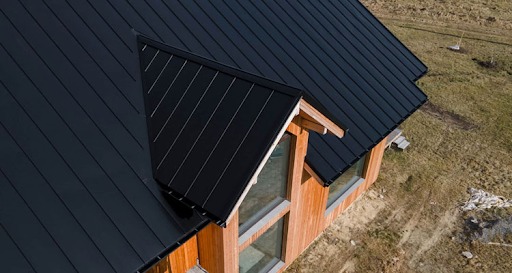
Starting a new commercial roof construction project is a major investment, and making the right decisions early can save time, money, and future repairs. From choosing materials to planning the design, several factors play an important role in the process.
In this blog, we’ll explore the top things property owners should know before starting a new commercial roof construction project.
Basics of New commercial Roof Construction
Before starting a new commercial roof construction project, it helps to understand how the process usually works. Commercial roofs are very different from residential roofs, so they require more planning, technical knowledge, and proper installation.
A typical commercial roofing project usually includes several important steps:
- Roof Design and Structural Planning—The roof must match the building’s structure and support system.
- Choosing the Right Roofing System—Options like TPO, EPDM, metal, or modified bitumen may be considered.
- Insulation and Energy Efficiency Planning—Proper insulation helps control indoor temperatures and improve energy performance.
- Drainage System Design—Commercial roofs need effective drainage to prevent water pooling.
- Building Code Compliance—Every project must follow local construction and safety regulations.
Because commercial buildings often have larger surfaces and more equipment installed on the roof, careful planning is essential. When the foundation of the project is done right, the roof can provide long-term protection and reliable performance for years.
Choosing the Right Roofing Material for Your Building
One of the most important decisions in new commercial roof construction is selecting the right roofing material. The material you choose affects durability, maintenance needs, energy efficiency, and the overall lifespan of your roof.
According to the data, “Current trends revolve around EPDM’s environmental profile, with an increase in demand for recycled EPDM and the creation of bio-based substitutes.” —Custom Market Insights
As customers widely prefer durability and cost-effectiveness, and different commercial buildings have different requirements, there is no one-size-fits-all solution.
Factors such as climate, building size, roof slope, and budget all play a role in choosing the best system.
- Common Roofing Systems Used in Commercial Construction
| Roofing System | Key Benefits | Best for |
| TPO Roofing | Energy-efficient, heat-reflective, durable | Large commercial buildings |
| EPDM Roofing | Flexible, weather-resistant, long lifespan | Buildings in colder climates |
| Modified Bitumen | Strong waterproofing and durability | Flat or low-slope roofs |
| Metal Roofing | Extremely durable and long-lasting | Industrial and commercial facilities |
Choosing the right material helps ensure your commercial roof performs well in different weather conditions and requires less maintenance over time. A roofing professional can help evaluate your building and recommend the system that best fits your needs and long-term goals.
Budget Planning and the Long-Term Cost Considerations
When planning new commercial roof construction, budgeting is more than just calculating the initial installation cost. A well-planned budget should also consider long-term performance, maintenance, and energy efficiency.
Several factors can influence the overall cost of a commercial roofing project:
- Roof Size and Building Structure—Larger buildings require more materials and labor.
- Type of Roofing Material—Some materials have higher upfront costs but last longer.
- Installation Complexity—Roof design, equipment placement, and accessibility can affect labor costs.
- Insulation and Energy Efficiency Features—Better insulation may cost more initially but can lower energy expenses later.
- Future Maintenance Needs—Some roofing systems require less maintenance over time.
While it may be tempting to choose the lowest-cost option, investing in quality materials and professional installation often leads to better durability and fewer repair expenses in the future.
The Importance of Proper Drainage and Roof Design
Drainage is one of the most critical factors in new commercial roof construction. Unlike many residential roofs, commercial roofs are often flat or low-slope, which means water cannot easily run off without a well-designed drainage system.
If drainage is not planned properly, water can start pooling on the roof surface. Over time, this standing water may weaken roofing materials and increase the risk of leaks or structural damage.
Key elements of effective commercial roof drainage include:
- Proper roof slope to guide water toward drains
- Roof drains and scuppers that allow water to exit the roof quickly
- Gutters and downspouts to direct water away from the building
- Regular inspection points to prevent debris from blocking drainage paths
A thoughtful roof design ensures water flows away efficiently, helping the roofing systems last longer and perform reliably. This is why proper planning during new commercial roof construction is essential for protecting the entire building.
Working with the Right Roofing Professionals
When it comes to new commercial roof construction, working with an experienced and dependable roofing team makes a big difference. Many property owners look for professionals who understand the technical aspects of commercial roofing and can deliver reliable results.
According to the data, “In Canada, more than 8,600 roofing contractor businesses are operating across the country.” —IBISWorld
This wide network of professionals makes it easier for commercial property owners to find skilled contractors who specialize in modern roofing systems and construction techniques.
Rooftop Legends Inc. is known for providing professional roofing solutions with careful planning, quality workmanship, and attention to detail. Their team focuses on understanding each project’s requirements and recommending roofing systems that support long-term performance and durability.
How Professional Roofing Contractors Support Your Project
Starting a new commercial roof construction project involves more than just installing roofing materials. Professional roofing contractors play an important role in managing the entire process and ensuring the project runs smoothly from start to finish.
Experienced contractors provide valuable support at every stage of construction. Their involvement typically includes:
- Initial consultation and project planning to understand the building’s requirements.
- Material recommendations based on durability, budget, and climate conditions.
- Efficient installation management to keep the project on schedule
- Quality checks and safety measures throughout the construction process
- Final inspection to ensure the roofing system performs as expected
With the right professionals guiding the project, property owners can avoid unnecessary delays, construction errors, and unexpected costs. Expert contractors help ensure the new roofing system is installed correctly and built to provide long-lasting protection for the building.
Frequently Asked Questions (FAQs)
-
How long does a new commercial roof construction project usually take?
The timeline depends on factors such as building size, roofing material, and weather conditions. In many cases, commercial roofing projects can take anywhere from several days to a few weeks to complete.
-
What is the most common roofing system used in commercial buildings?
TPO, EPDM, and metal roofing systems are among the most commonly used options because they offer durability, energy efficiency, and reliable performance.
-
How long does a commercial roof typically last?
The lifespan of a commercial roof depends on the material used and how well it is maintained. Many systems can last 20-40 years with proper installation and regular maintenance.
-
Can a commercial roof improve energy efficiency?
Yes! Many modern roofing systems include reflective materials and insulation that help reduce heat absorption and improve energy efficiency for the building.
-
Do new commercial roofs require regular maintenance?
Yes! Routine inspections and maintenance help detect minor issues early, preventing costly repairs and extending the life of the roofing system.
The Bottom Line
Starting a new commercial roof construction project is a major step for any property owner or business. With the right planning, material selection, and professional guidance, your roofing system can provide long-lasting protection and reliable performance for many years.
Working with experienced professionals at Rooftop Legends Inc. can make the process easier by providing expert guidance, quality installation, and dependable roofing solutions.
Contact Rooftop Legends Inc. today and take the first step toward a strong and reliable commercial roof!